


Mathematicians from the University of the Philippines are pushing the boundaries of innovation as they are refining the software they have recently developed—a computerized method of converting documents written in ancient Filipino Baybayin into text that even non-native readers can easily understand.
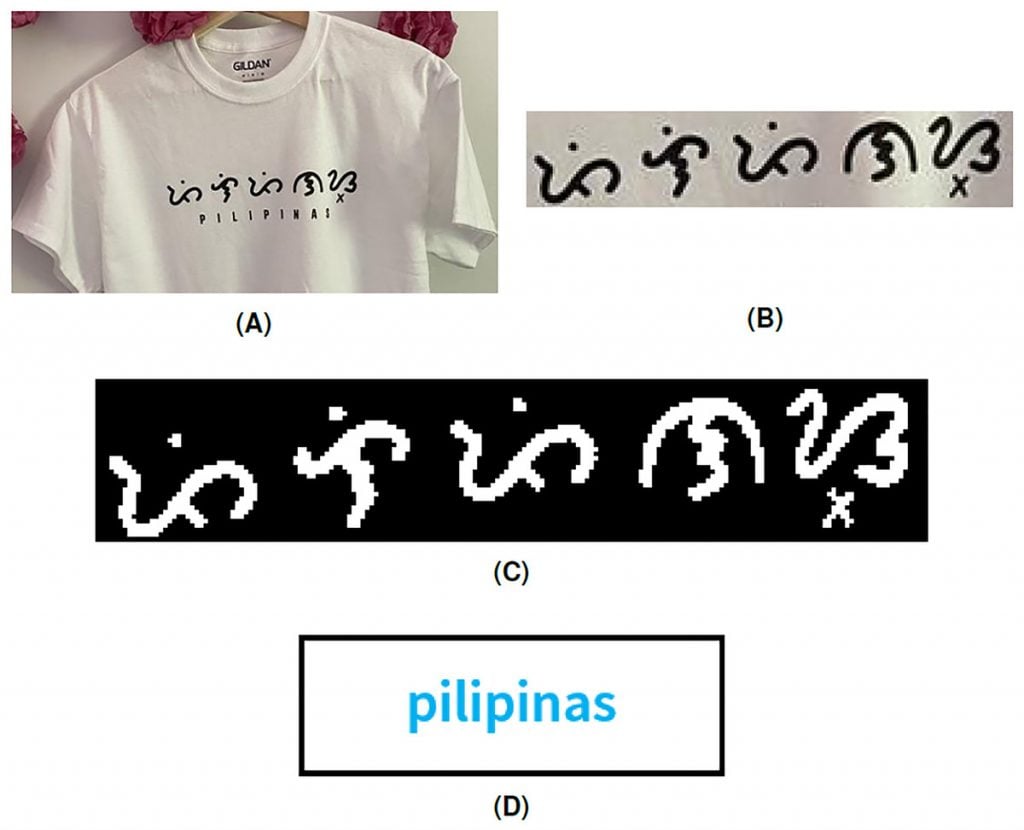
Photo courtesy of UP Alumni
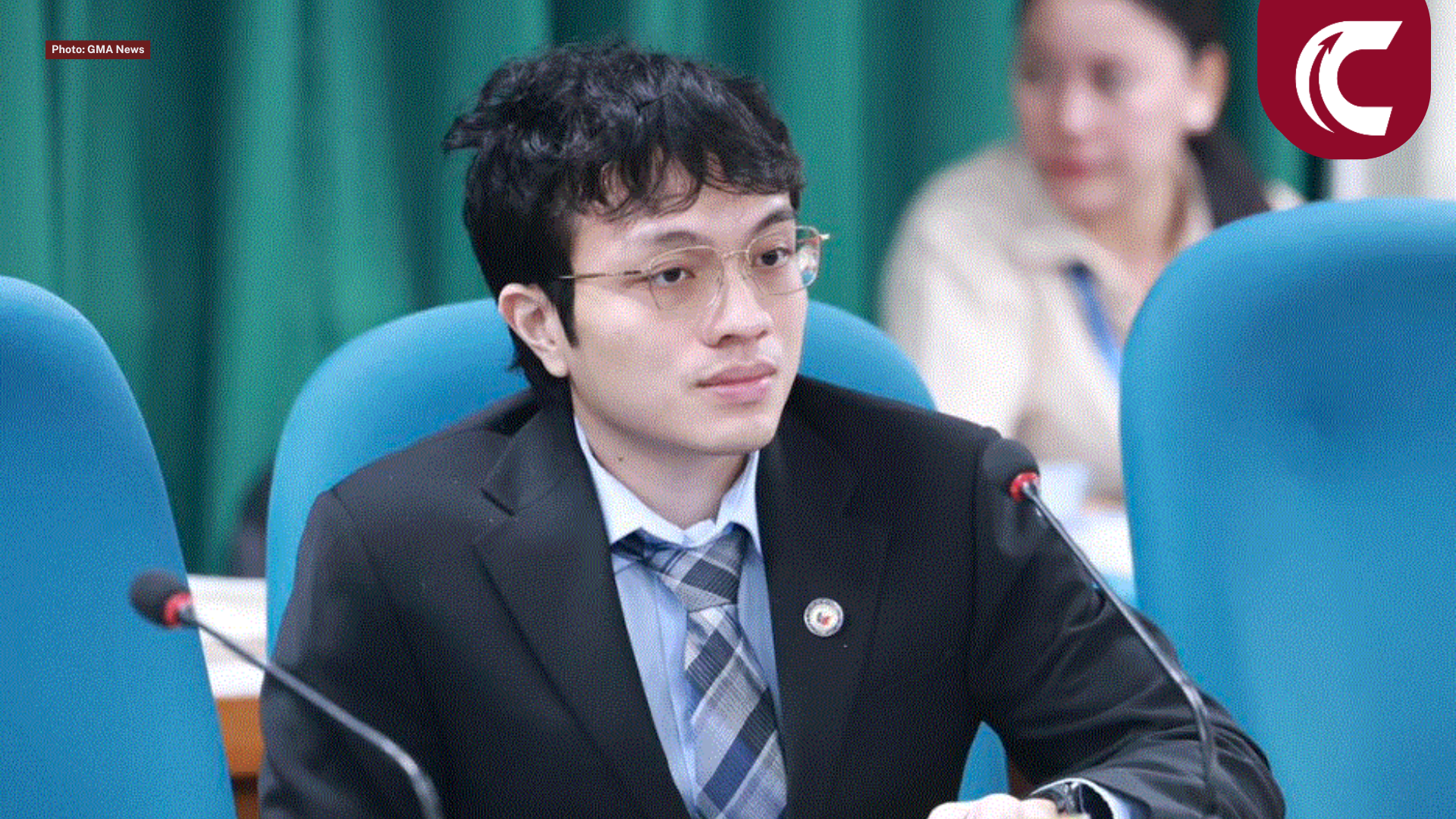
Masters student Rodney Pino and associate professors Dr. Renier Mendoza and Dr. Rachelle Sambayan from the College of Science, Institute of Mathematics pioneered this world’s first paragraph-level optical character recognition (OCR) system, capable of accurately distinguishing between entire blocks of Baybayin and Latin characters in a text image.
Pino explained that the group took three months to collect over a thousand images for each Baybayin character. This effort includes sourcing 110 paragraphs from various websites, encompassing both hand- and typewritten examples of Baybayin, Latin, and combinations of both scripts.
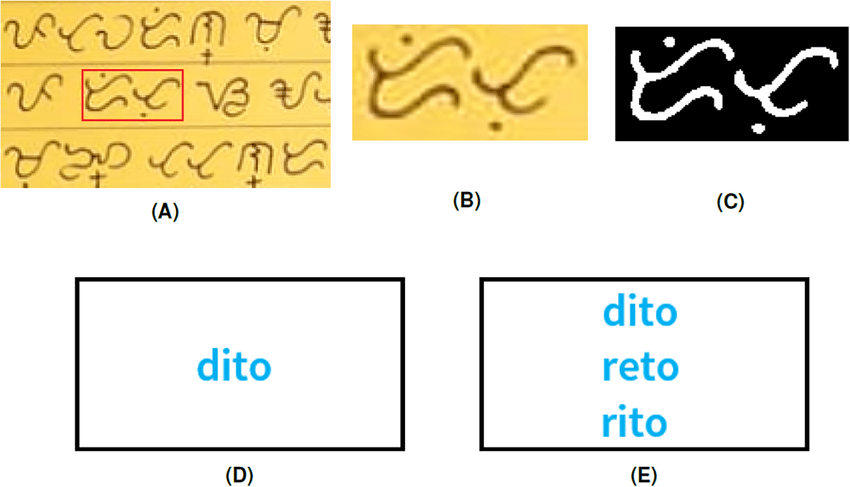
Photo courtesy of UP Alumni
According to the mathematicians, there are still some challenges that need to be addressed to refine the system.
Dr. Mendoza explained that the current system is facing issues with regard to distinguishing between certain Baybayin characters that share similarities in their writing, such as E and I, and O and U.
Dr. Mendoza further elaborated the algorithm used, stating that it currently displays all potential translations of the Baybayin words, and indicating that there is room for improvement to enhance the system’s accuracy and efficiency.
“We’re trying to refine the software we developed to make it easier for future users to navigate it,” Dr. Mendoza said.
They also aspire to include the creation of a mobile app capable of instantly and accurately translating Baybayin characters through phones.
While they are not proposing to make Baybayin the country’s primary writing system, the group firmly believes that conducting further research on Baybayin will play a role in safeguarding this valuable cultural legacy.
“Kapag walang gagawa nito, sinong gagawa? Even though its implication already has a bit of a niche, I think this is still a vital research venture,” Dr. Mendoza said.